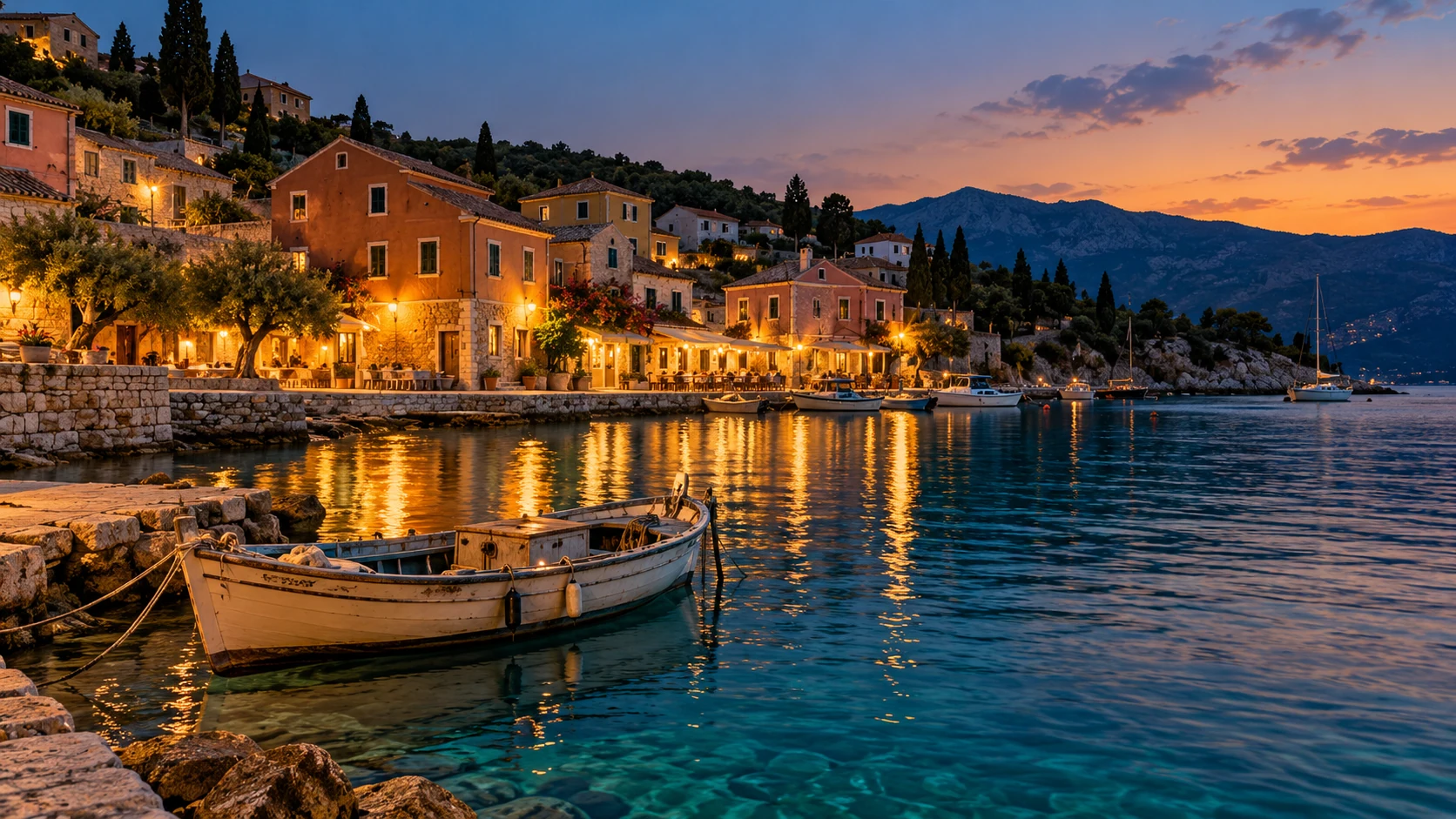
1
Describe the subject
Explain the person, product or setting, then add composition, light and the intended visual style.
Sign up for creative credits · Buy 2+ for 10% extra permanent credits
AI Image Generator & Editor
On Seedream 5.0 Flash, Turn a written idea or reference image into a clear visual direction Explore image and video ideas on Seedream 5.5 with a clear visual brief and carefully organized references.
Create with Seedream 5.0 Flash
Explain the person, product or setting, then add composition, light and the intended visual style.
For editing or visual continuity, use clear references and explain what each image contributes to the brief.
Select the framing and output options offered for the task and review the required credits before generating.
Choose a promising composition before refining background, color and detail, keeping the versions that move the project forward.
Seedream 5.0 Flash combines text-led image creation with reference-image editing. It is useful when an idea is not yet fully defined: establish a subject and setting, compare a few compositions, then refine color and light. Give each iteration one clear goal rather than mixing many conflicting instructions into a single request.
Decide what a visual should communicate before choosing how to present it. Seedream 5.0 Flash’s specifications and creative emphasis help you choose a direction for the task. Image and video work can be planned separately and combined within a larger project.

Describe a person, product or scene with a clear visual brief. Explain what the subject is doing, how the composition should work, and which lighting and material details matter to the image.
On Seedream 5.0 Flash, Start from an existing picture and describe an editing direction. Separate the features you want to preserve from the background, color or style you want to change, so the result is easier to evaluate.

The model offers 1K, 1.5K and 2K output levels. Plan clarity around the purpose of the image, whether you are comparing concepts, preparing social visuals or developing an asset for further editing.
On Seedream 5.0 Flash, A request can include up to 10 reference images. Use them to communicate different subjects, settings or visual styles, and explain the role of each reference instead of expecting the images to explain themselves.

The model supports JPEG and PNG images. Choose an image delivery format around the way a project will be displayed, shared or processed, and keep a clear record of your selected versions.
Compare composition or lighting first, then refine the direction closest to your brief. Changing only a few instructions in each round makes it easier to understand which detail influenced the result.
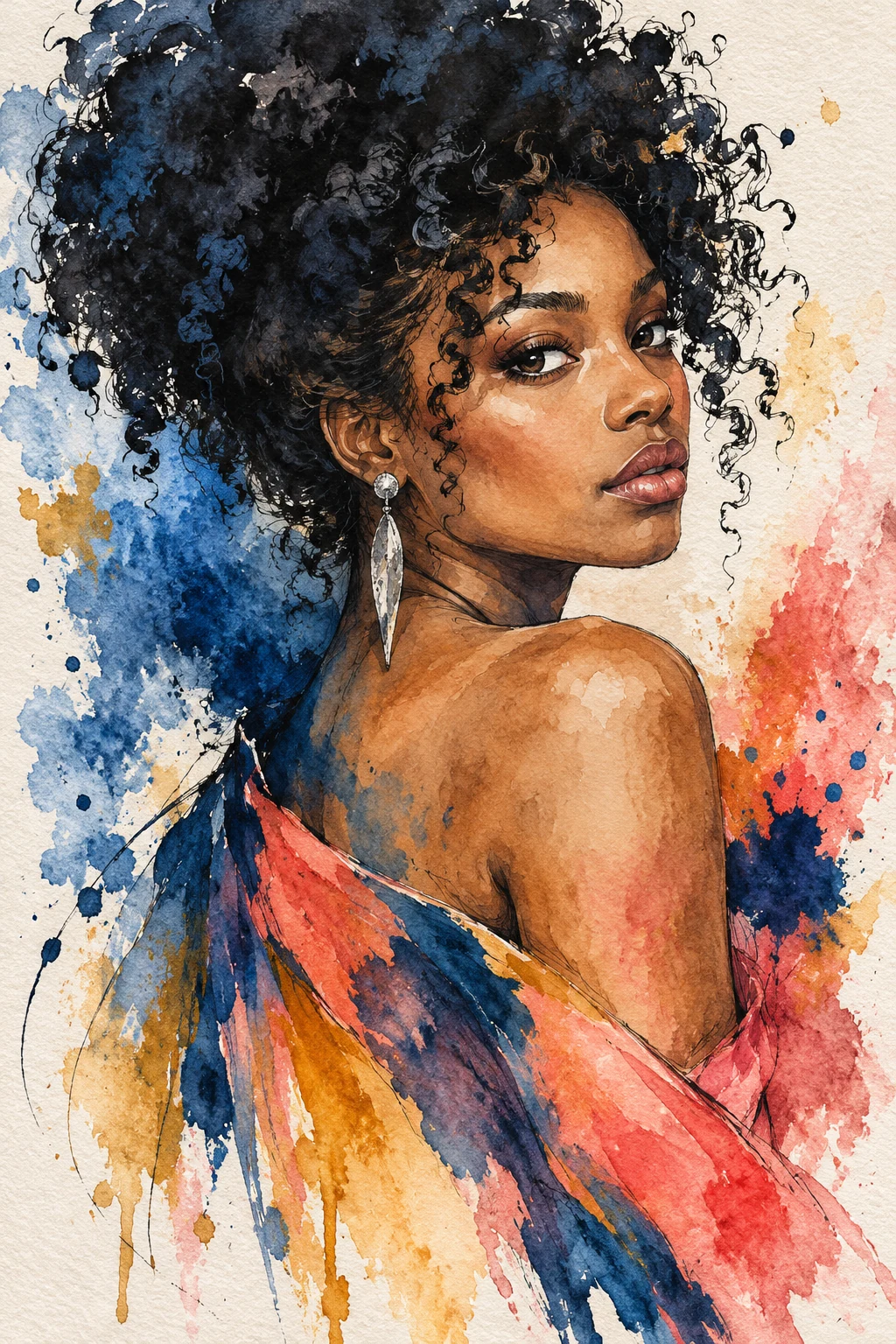
Turn an early idea into a subject, setting and mood that a team can discuss before spending time on detailed production.
Explore tables, environments and lighting around one product, then compare whether each scene makes the product itself easier to understand.

Plan the focal point and negative space for a topic so that the image can work with short copy or later typography.
Explore an illustration direction through explicit descriptions of line, color and texture, then narrow down the visual language for the content.
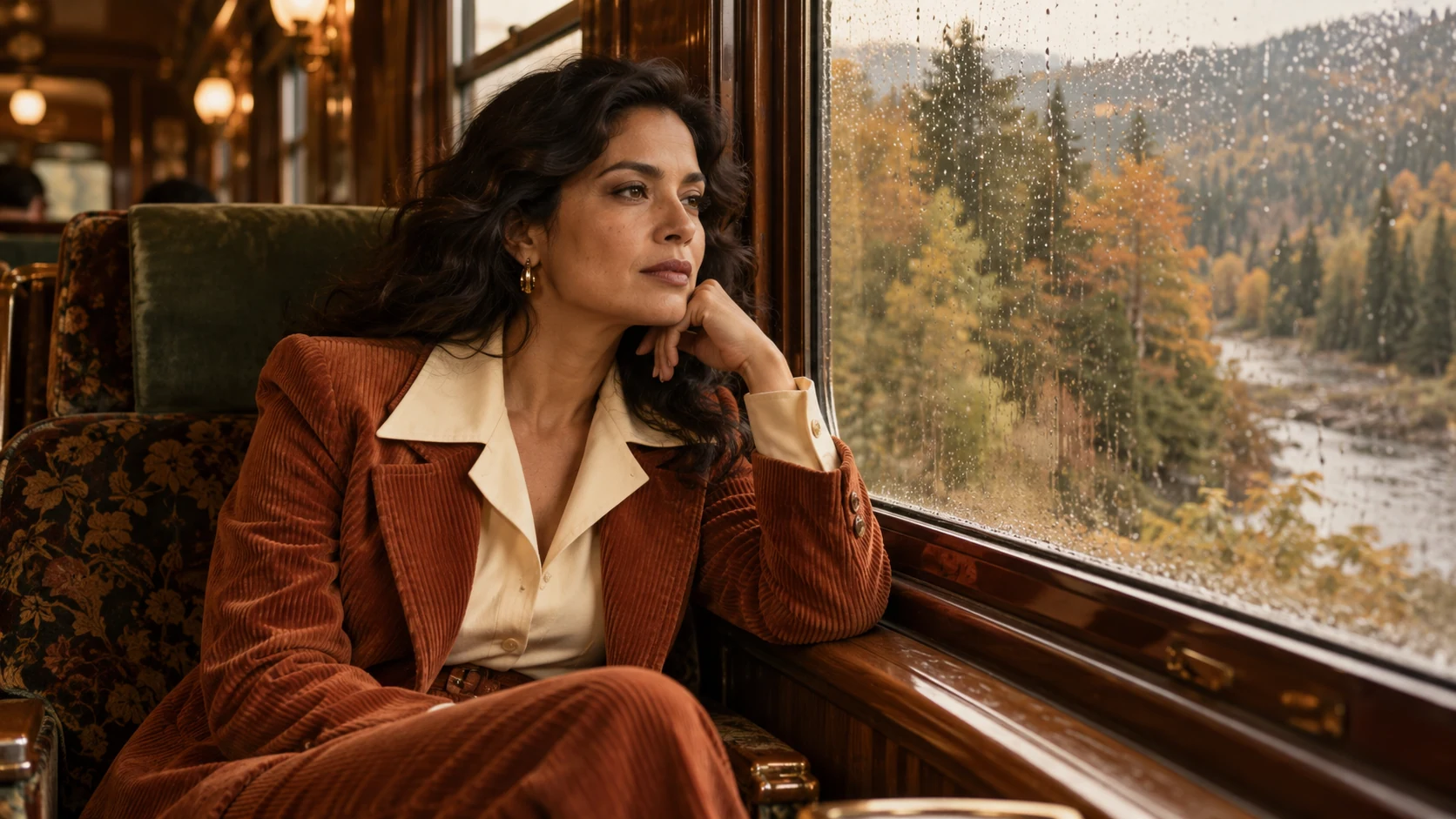
Describe natural light, background color and camera distance to explore a portrait mood while preserving the subject details that matter.
Use an existing visual as a starting point for another composition, backdrop or color treatment that can be developed further.
| Model | Output levels | Reference or result information | Creative emphasis |
|---|---|---|---|
| Seedream 5.0 Flash | 1K / 1.5K / 2K | Up to 10 references | Text creation and reference editing |
| Seedream 5.0 Pro | 1K / 2K | Up to 10 references | Structure, complex information and local refinement |
| Seedream 5.0 Lite | 2K / 3K / 4K | Up to 14 references | Reasoning and multimodal references |
| Seedream 4.0 | 1K / 2K / 4K | 1 to 6 returned images per request | Unified text creation and editing |
The model offers 1K / 1.5K / 2K output levels. Plan clarity around the image’s purpose, then inspect composition, subject relationships and important local details.
The model supports up to 10 reference images. Organize subject, object, setting and style references separately, and explain what each one contributes to the brief.
Text creation develops a picture from a written brief. Editing uses an existing image as a visual basis and describes a desired change. Both benefit from a clear subject, composition and explanation of the details to retain.
Flash covers text and reference-image creation; Pro emphasizes structure, complex information and local refinements; Lite emphasizes reasoning and multimodal references; 4.0 unifies text creation and image editing and can return several results.
Seedream 5.0 Flash combines text-led image creation with reference-image editing. It is useful when an idea is not yet fully defined: establish a subject and setting, compare a few compositions, then refine color and light. Give each iteration one clear goal rather than mixing many conflicting instructions into a single request.
Start with one main goal, then explain subject, setting, composition and light separately. References add visual information while the written brief explains which details to retain or adjust. Change only a few requirements in each round to make the results easier to compare.
You can use the trial credits available in your account to explore a concept. Each generation shows the required credits after you select a model and settings. Confirm your available balance, then continue testing and refining the direction that fits your project.
Keep the composition closest to the brief, then adjust background, color or detail one at a time. Record the purpose of each change and compare versions against the same visual goal instead of changing every instruction together.
Prepare a clear subject, relevant references and a focused visual brief, then compare and refine the direction step by step.